

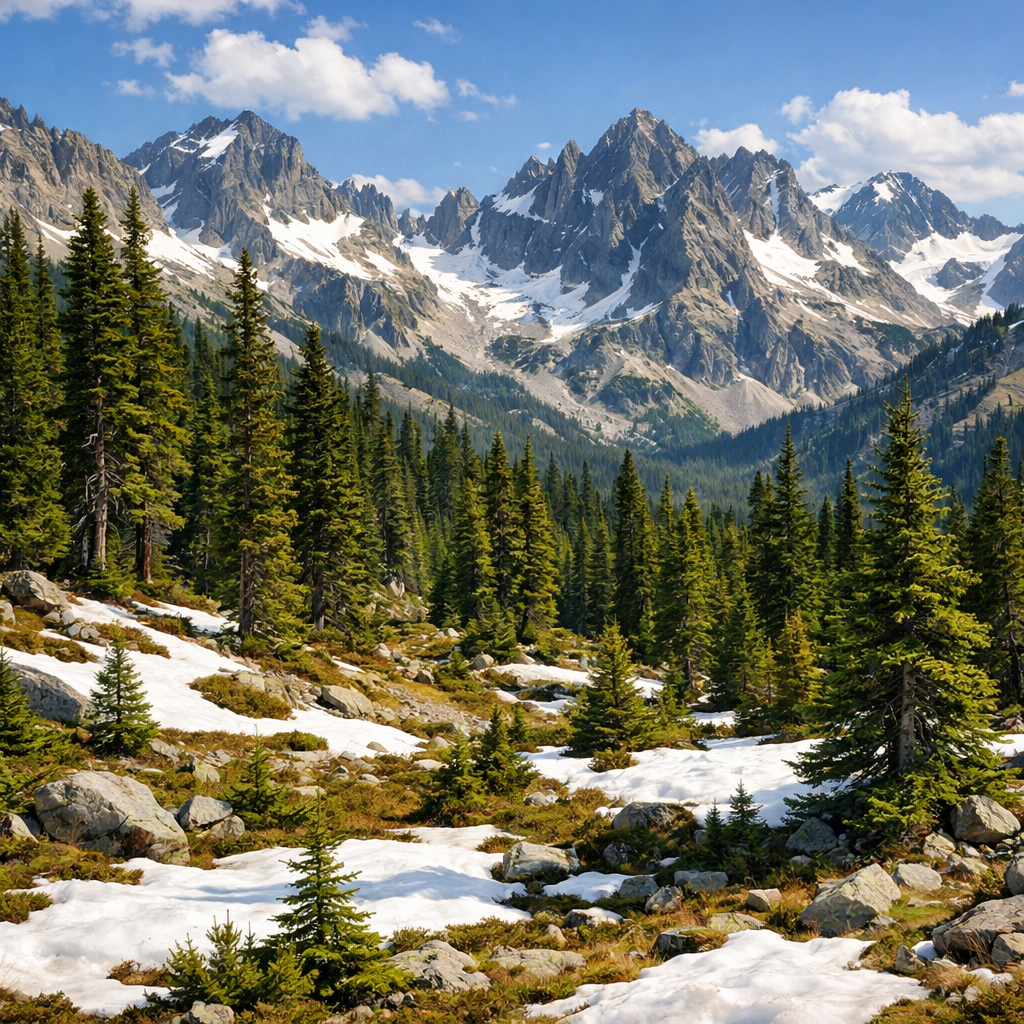
Hi, I’m William Lopez, bringing you the lay of the land here in Silverton. Between the towering peaks and rugged valleys, our weather and environment follow rhythms that sculpt life in every corner. Whether you’re a longtime resident, a homeowner, or just getting to know the area, these patterns matter.
Climate at a Glance
Silverton sits in the San Juan Mountains and falls under a continental subarctic climate (Köppen Dfc). That means long, cold winters and short, cool to mild summers. The average yearly temperature hovers around 35 °F, with snowfall exceeding 170 inches annually.
Seasonal Temperature Ranges
In winter, daytime highs often stay in the 30s°F (around 30–35°F), while nighttime lows plunge to -5°F or colder. Spring and fall are unpredictable—warm spells, snow, and everything between. In summer, highs reach into the low 70s°F, with nights dipping sharply. Perfect for those who love crisp mountain air.
Precipitation & Snow
We’re not a monsoon climate, but moisture is distributed throughout the year. The wettest months tend to be July, August, and September, when summer storms move through. Snow peaks in winter and early spring, with parts of December through March seeing significant accumulation. Even in summer months, high elevations can get surprise snow.
Ecological Shifts You’ll Notice
The terrain around Silverton isn’t just pretty—it’s alive with change. Research using repeat photography shows that conifers and aspens are moving into areas that used to be grassland or were disturbed by past fire or mining. Forest recovery from earlier disturbances is noticeable.
One particular area to watch is the treeline: the edge where trees stop growing at high elevation. In past decades, it’s shifted enough to indicate climate-influenced thresholds may be at play—warmer summers, less harsh winters, and earlier snowmelt are contributing.
What Residents Should Keep in Mind
- Be ready for temperature swings: Even in summer, night-time freezing risk lingers well into spring and returns early into fall. Cold snaps aren’t rare.
- Snow is a year-round possibility: High elevation means occasional snow—unpredictable snow showers can disrupt travel or outdoor plans even outside the typical winter months.
- Observe changes in vegetation: If aspens, pines, willows are showing up in new places—or grasslands are shrinking—it may reflect longer-term shifts worth noting.
- Understanding treeline shifts: The advancing treeline alters wildlife habitat, forage availability, and signals broader environmental changes.
As Silverton continues to warm slowly in some seasons, and as our precipitation patterns tweak, knowing the climate envelope isn’t just academic—it helps with planning, habitat stewardship, and making the most of our summers and winters.
If you want, I can follow up with how climate projections may look decades ahead—how high temperatures, snowpack, and water resources might shift here in Silverton.